
The Labour Party has credited former President Goodluck Jonathan’s decision to concede defeat in the 2015 presidential election with helping Nigeria avoid a potentially bloody political crisis.
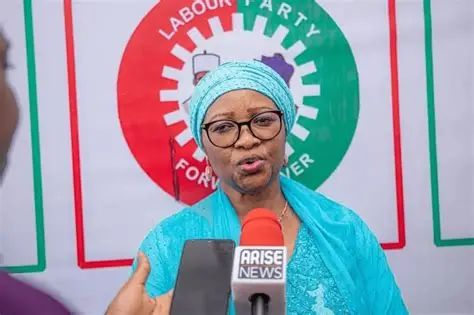
National Chairman of the party, Senator Nenadi Usman, said Jonathan demonstrated that political power should never come at the expense of the lives and unity of Nigerians.
Usman made the remarks on Tuesday in Bauchi State while speaking with journalists on the sidelines of the 2026 Goodluck Jonathan Foundation Democracy Dialogue.
According to her, Jonathan’s decision to accept the election outcome helped preserve Nigeria’s democratic process at a time when tensions were high following the closely contested 2015 presidential election.
Her comments were contained in a statement issued by the Labour Party’s National Publicity Secretary, Ken Asogwa.
Usman described Jonathan’s action as an important lesson for Nigeria and other African countries, stressing that leaders should be willing to place national interest above personal political ambitions.
The 2015 presidential election was contested by Jonathan, who was the incumbent president and candidate of the Peoples Democratic Party, and Muhammadu Buhari of the All Progressives Congress.
Buhari was declared winner after securing more votes than Jonathan. Jonathan subsequently conceded defeat before the final results were formally announced, a move that was widely viewed as helping to ease tensions and support a peaceful transfer of power.
Speaking at the democracy dialogue, Usman argued that the episode demonstrated the importance of political maturity and respect for democratic institutions.
The annual event, organised by the Goodluck Jonathan Foundation, focused on the theme, “Beyond Elections: Can Political Parties and the Judiciary Save African Democracy?”
The theme highlights concerns over the quality of elections, the role of political parties and the independence of the judiciary in strengthening democratic governance across Africa.
The Labour Party chairman said the lessons from Nigeria’s 2015 experience should continue to shape conversations about democratic leadership, peaceful transitions and the responsibilities of political actors.
ALSO READ:CROSIEC Trains Newly Appointed Electoral Officers Ahead of Local Government Elections
Hope you find the Above publication useful, Calabargist will love to keep you updated via our newsletter by subscribing with your email.