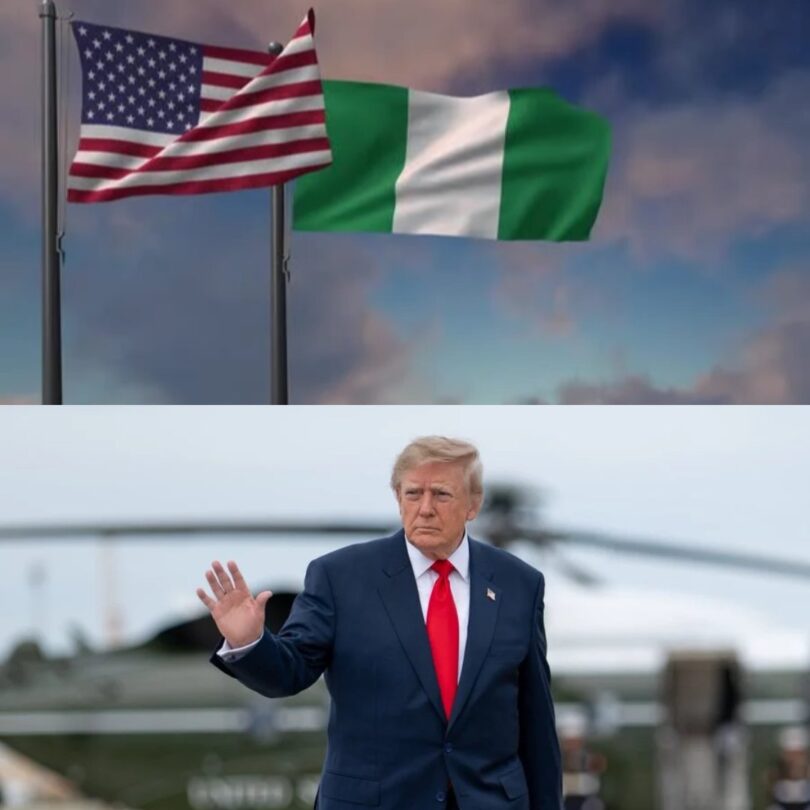

The United States has placed Nigeria on its Child Soldiers Prevention Act (CSPA) blacklist, a move that could affect military assistance, weapons sales and defence cooperation between both countries from October 1, 2026, unless US President Donald Trump grants a waiver.
The development was disclosed in the US Department of State’s 2026 Trafficking in Persons (TIP) Report, published on October 11, which raised concerns over the continued recruitment and use of children by Boko Haram and the Islamic State West Africa Province (ISWAP).
According to the report, the two armed groups continue to recruit, abduct and exploit children in Nigeria and neighbouring countries, with some victims reportedly as young as 12 years old.
The children are allegedly forced into various roles, including spying, carrying messages, guarding checkpoints, domestic work and participating in armed attacks.
Under the Child Soldiers Prevention Act, countries identified on the list may face restrictions on certain forms of US military assistance and the commercial licensing of military equipment.
The affected areas could include military training programmes, foreign military financing, transfers of surplus defence equipment and certain peacekeeping assistance. However, a presidential waiver or other applicable exceptions could allow some assistance to continue.
Nigeria was listed alongside other countries, including Russia, Iran, Somalia and South Sudan.
Beyond the child soldier concerns, the report criticised Nigeria’s broader efforts to combat human trafficking, stating that the country had failed to meet the US government’s minimum standards for eliminating trafficking for the 15th consecutive year.
It also raised concerns about alleged corruption and the lack of reported investigations, prosecutions or convictions involving government officials suspected of complicity in trafficking-related crimes.
Despite these concerns, the report acknowledged some efforts by Nigerian authorities, including investigations into trafficking cases, international cooperation and increased government spending on victim support and prevention programmes.
The latest designation comes as Nigeria and the United States continue to cooperate on security matters, particularly efforts to combat terrorism and other threats.
The possible restrictions could therefore create additional challenges for bilateral defence cooperation if the US administration does not grant a waiver or apply an exemption.
The Nigerian authorities had yet to publicly respond to the report at the time of publication.
ALSO READ:Nigerian Researcher Secures $63,000 in US Funding for AI Energy Project
Hope you find the Above publication useful, Calabargist will love to keep you updated via our newsletter by subscribing with your email.