
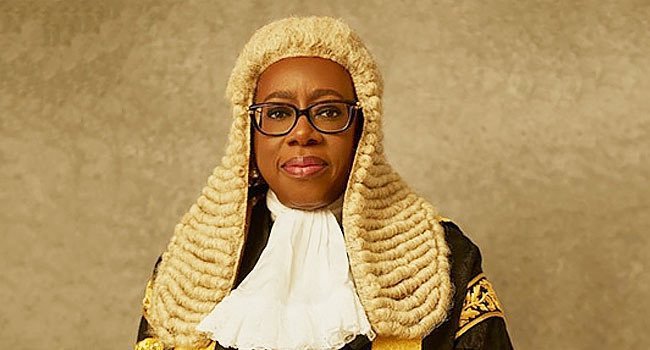

Nigeria’s Chief Justice, Justice Kudirat Kekere-Ekun, has sworn in 375 judicial officers nominated to serve on the Election Petition Tribunals ahead of the 2027 general elections.
The inauguration took place on Monday, November 9, 2026, at the Body of Benchers Auditorium in Abuja, as part of preparations by the judiciary to handle electoral disputes that may arise from the forthcoming elections.
Speaking at the ceremony, Kekere-Ekun charged the newly inaugurated judges to remain impartial, uphold their judicial oaths and resist political pressure, intimidation and external influence while performing their duties.
She emphasised that election-related disputes must be determined strictly in accordance with the law and available evidence, warning that the judiciary must not allow political interests or public pressure to influence its decisions.
The CJN also stressed the need for efficient case management, noting that constitutional and statutory timelines governing election petitions leave no room for unnecessary delays.
She further cautioned lawyers, political parties, media organisations and members of the public against unethical practices, including the abuse of court processes and online campaigns aimed at prejudging pending cases or intimidating judicial officers.
Meanwhile, the President of the Court of Appeal, Justice Monica Dongban-Mensem, disclosed that the 375 judicial officers were drawn from different courts and judicial institutions across the country.
According to her, 138 of the judges have previously served on election petition tribunals, while 237 are newly nominated members.
The event also featured the launch of the second edition of the Judicial Electoral Manual and a specialised capacity-building workshop to prepare the judges for the legal and procedural challenges associated with election petitions.
The 2027 presidential and National Assembly elections are scheduled for January 16, while governorship and State Houses of Assembly elections are fixed for February 6, 2027.
The election tribunals are expected to play a crucial role in resolving disputes arising from the polls and strengthening public confidence in Nigeria’s democratic process.
ALSO READ:Kenyan Court Hands Pastor 200-Year Sentence in Shocking Cult Case
Hope you find the Above publication useful, Calabargist will love to keep you updated via our newsletter by subscribing with your email.