
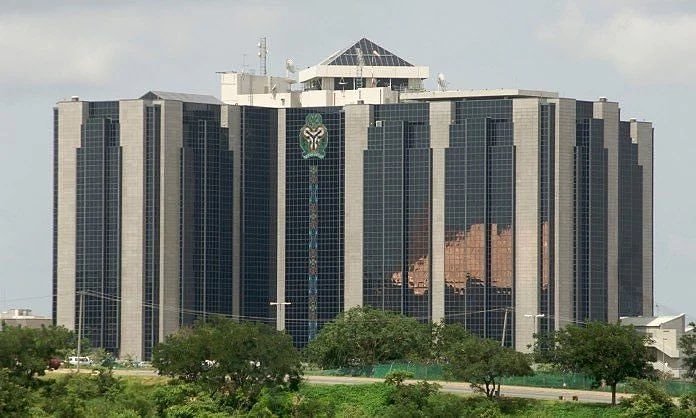

The Central Bank of Nigeria (CBN) has stepped up efforts to control the amount of money circulating in the economy, withdrawing more than ₦90 trillion through Open Market Operations (OMO) securities between January and November 2026.
The aggressive liquidity management exercise is aimed at controlling excess money supply and preventing renewed inflationary pressures as Nigeria approaches the 2027 general elections.
The amount represents a significant increase from the ₦40.9 trillion recorded in 2025 and the ₦50.23 trillion withdrawn through similar operations in 2024, according to figures cited in reports on the apex bank’s monetary operations.
The CBN uses Open Market Operations to regulate liquidity in the banking system by selling short-term securities to financial institutions and investors. When banks purchase these securities, funds are temporarily removed from the financial system. However, when the securities mature and are repaid, the money returns to the system.
Reports indicate that the CBN’s OMO sales increased significantly in September, when the bank allotted approximately ₦17.5 trillion in securities. It also recorded fresh sales worth about ₦7.53 trillion in November.
The move comes amid concerns that increased government spending and political activities ahead of the 2027 elections could inject additional money into the economy, making inflation control more difficult.
CBN Governor, Olayemi Cardoso, has previously assured Nigerians that the bank is prepared to manage potential liquidity pressures during the election period. He said the apex bank would closely monitor money supply, currency in circulation, banking system liquidity and foreign exchange demand.
However, the reported ₦90 trillion figure represents gross OMO sales, not necessarily the actual amount removed from the financial system. This is because funds from matured securities are returned to banks, meaning the net liquidity withdrawal is lower after repayments are considered.
The CBN’s continued interventions reflect its efforts to maintain monetary stability and sustain progress in controlling inflation ahead of the next general elections.
ALSO READ:CBN Slashes Interest Rate to 23% — What It Means for Nigerians
Hope you find the Above publication useful, Calabargist will love to keep you updated via our newsletter by subscribing with your email.