
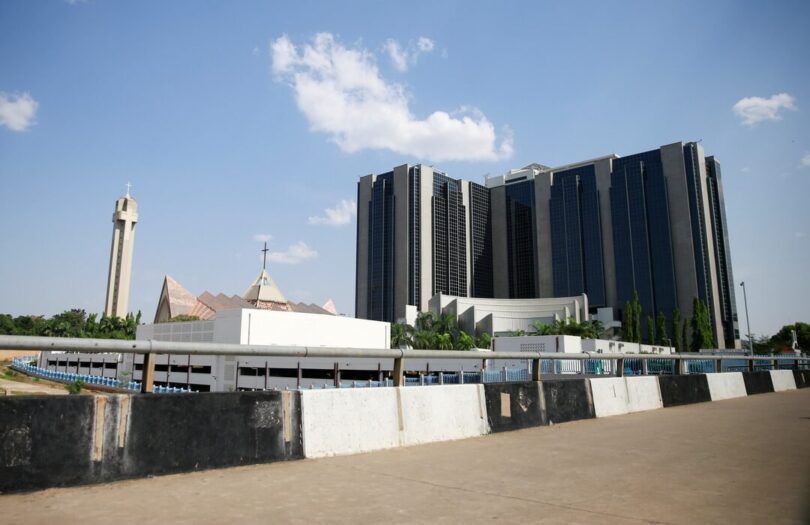

The Central Bank of Nigeria (CBN) has cut its Monetary Policy Rate (MPR) from 26.5 per cent to 23 per cent, signalling a major shift towards easing monetary conditions and potentially making credit more accessible.
The decision was announced on Tuesday, September 22, 2026, following the Monetary Policy Committee’s 307th meeting. The 3.5 percentage-point reduction represents a 350-basis-point cut and comes after the CBN had maintained the MPR at 26.5 per cent at its previous meetings.
The CBN also retained the Cash Reserve Requirement (CRR) at 45 per cent for Deposit Money Banks and 16 per cent for merchant banks.
The lower benchmark rate could eventually translate into reduced borrowing costs for businesses and individuals if banks adjust their lending rates. Cheaper credit may support business expansion, investment and other economic activities by reducing the cost of accessing funds.
However, the new 23 per cent MPR does not mean commercial banks will automatically lend to customers at 23 per cent. Actual loan rates are determined by banks based on factors including their funding costs, credit risk, operating expenses and market conditions.
The impact of the decision is also expected to take time to filter through the banking system and wider economy. The CBN’s monetary policy framework uses interest rates and other tools to influence credit conditions and economic activity, while also seeking to maintain price and financial stability.
The key issue going forward will be how effectively the rate cut supports economic activity while the CBN continues to manage inflation, liquidity and foreign exchange stability.
ALSO READ:Compulsory: CBN Mandates Date To Start Receiving Naira From Abroad Instead Of Dollars
Hope you find the Above publication useful, Calabargist will love to keep you updated via our newsletter by subscribing with your email.