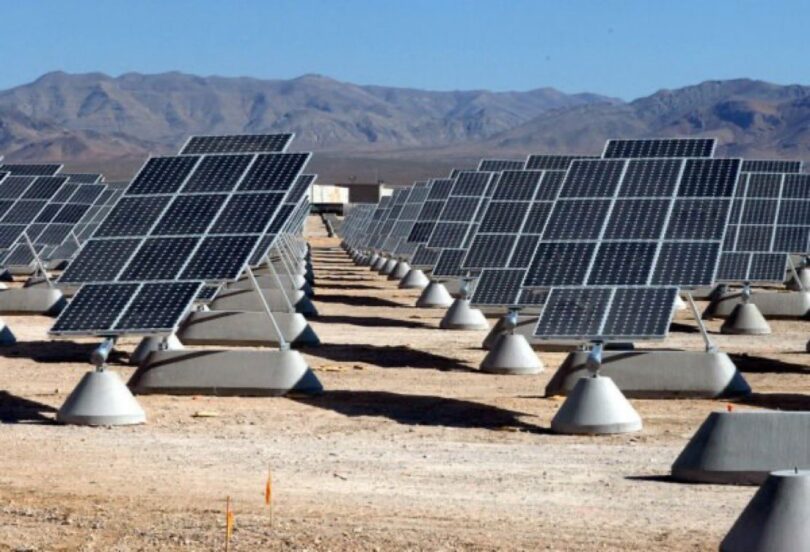

The Federal Government has stepped back from plans to immediately ban the importation of solar panels into Nigeria following concerns that the move could increase prices and make clean energy less affordable for households and businesses.
The Minister of Innovation, Science and Technology, Kingsley Udeh, said the government was committed to expanding local solar panel manufacturing while ensuring Nigerians continued to have access to affordable and reliable solar energy.
According to reports, the government’s latest position followed concerns raised by business leaders and renewable energy stakeholders, who warned that restricting imports before local manufacturers could meet domestic demand might disrupt supplies and increase the cost of solar installations.
Udeh explained that the government would prioritise quality control, ensuring that solar panels sold in Nigeria meet the required standards, whether manufactured locally or imported from reliable sources.
He also disclosed that the government was working to attract international solar technology companies to invest in Nigeria through local manufacturing, technology transfer and skills development.
The initiative is expected to strengthen domestic production, create employment opportunities and improve the availability of reliable solar energy solutions.
The proposed import restrictions were initially introduced as part of efforts to encourage local manufacturing and reduce Nigeria’s dependence on foreign-made solar equipment.
However, the proposal attracted criticism from energy experts who argued that the country’s existing manufacturing capacity was not sufficient to meet the growing demand for solar panels.
Nigeria relies heavily on solar energy as households and businesses seek alternatives to unreliable electricity supply and the high cost of operating petrol and diesel generators.
Data from China’s customs authorities, cited by energy think tank Ember, showed that China exported solar panels with a combined capacity of 2.4 gigawatts to Nigeria in the 12 months to August 2026. The shipments were valued at approximately $269 million.
The figures highlight the importance of imported solar equipment in meeting Nigeria’s growing energy needs.
Industry stakeholders have maintained that an immediate ban could make solar systems more expensive, potentially discouraging households and small businesses from switching to renewable energy.
They have instead called on the government to provide incentives for local manufacturers, attract foreign investment and gradually expand domestic production before considering restrictions on imports.
The Federal Government’s latest position suggests that it intends to pursue local manufacturing without immediately cutting off access to imported solar panels.
The challenge, however, will be to build a competitive domestic solar industry while ensuring that affordable renewable energy remains accessible to Nigerians.
ALSO READ:Nigerian Researcher Secures $63,000 in US Funding for AI Energy Project
Hope you find the Above publication useful, Calabargist will love to keep you updated via our newsletter by subscribing with your email.