

Nigeria’s electricity challenge may no longer be only about how much power is available, but also about how that power is distributed across communities.
Minister of Power, Joseph Tegbe, recently said some communities that previously went for months without electricity are now receiving up to 18 hours of supply daily.
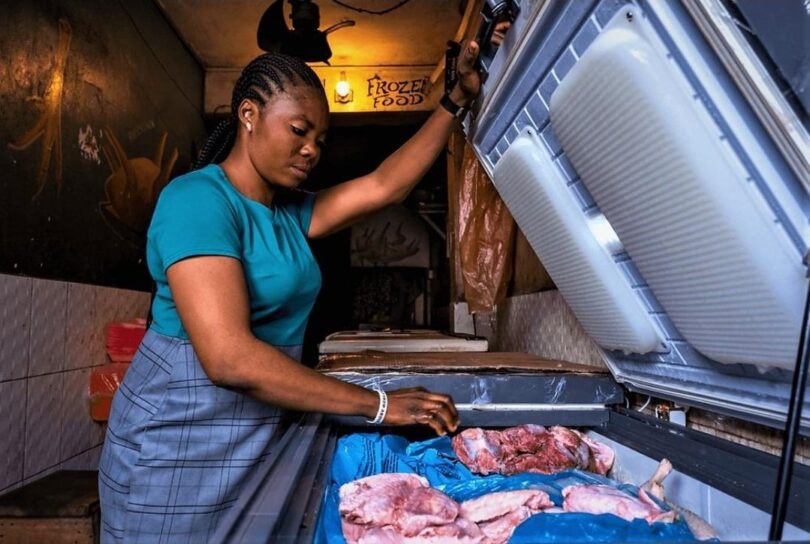
Speaking at the commissioning of a 3-megawatt solar hybrid power project at Yakubu Gowon University in Abuja, Tegbe said some consumers had even jokingly asked him to “slow down” because their freezers were now working continuously.
According to him, some areas that had gone without electricity for three months were now receiving about 18 hours of supply.
The development points to the possibility of improvement in some parts of the country, but electricity experiences remain different from one community to another.
While some residents may be recording long hours of supply, others continue to depend heavily on generators, inverters and solar systems because of limited or unreliable public electricity.
That difference matters because reliable electricity affects far more than whether a freezer can stay cold.
For a frozen-food seller, steady power can reduce the risk of losing stock. For barbers, welders, tailors and other small businesses, it can reduce spending on fuel and generator maintenance. Students can study at night, while shops and businesses can operate with fewer interruptions.
The Federal Government still faces major challenges in making such improvements consistent across the country. Tegbe has acknowledged that some electricity infrastructure is more than 40 years old and said efforts are ongoing to replace ageing facilities. He has also raised concerns over vandalism of critical power infrastructure.
The bigger question, therefore, is not simply whether some parts of Nigeria are now getting 18 hours of electricity.
It is whether reliable power can eventually become common enough across communities that Nigerians no longer have to rely on generators and alternative energy sources simply to carry out everyday activities.
For many households and businesses, that is where the real impact of Nigeria’s electricity improvements will be measured.
Hope you find the Above publication useful, Calabargist will love to keep you updated via our newsletter by subscribing with your email.