
The Independent National Electoral Commission (INEC) has raised concerns over the growing use of artificial intelligence to spread disinformation, warning that the trend could pose a serious threat to the credibility of Nigeria’s 2027 general elections.
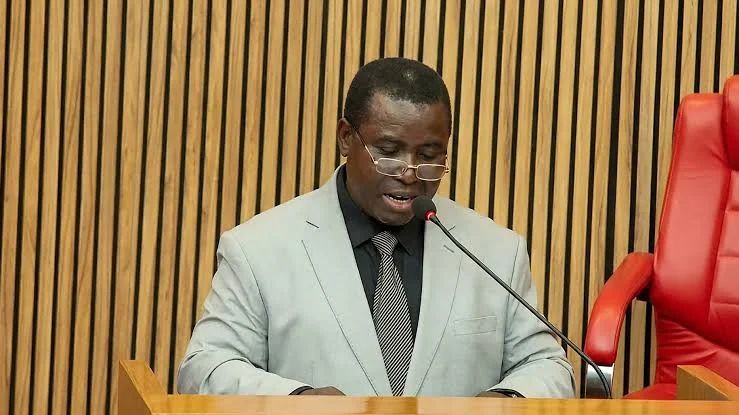
INEC Chairman, Prof. Joash Amupitan, SAN, said electoral technology and communication should no longer be treated as separate areas, given the increasing influence of digital platforms and artificial intelligence on how voters receive and interpret information.
Amupitan made the remarks in Abuja on Wednesday in a keynote address delivered on his behalf by INEC National Commissioner, Sani Adam, SAN, at the 13th Annual International Conference of the Association of Communication Scholars and Professionals of Nigeria (ACSPN).
The conference focused on the theme, “Media, Technology and Elections in Africa: Navigating Digital Disruption and the New Dynamics of Electoral Communication.”
According to Amupitan, advances in generative AI have made it easier and cheaper to create convincing fake audio, videos and images capable of misleading voters. He warned that such content could spread rapidly on social media before election authorities or fact-checkers have enough time to verify and correct it.
He also raised concerns about algorithmic microtargeting, which can be used to deliver different political messages to specific groups of voters, potentially making it difficult for the public to distinguish genuine campaign information from manipulated content.
The INEC chairman stressed the need for stronger collaboration between electoral bodies, communication professionals, technology experts, media organisations and other stakeholders to protect the integrity of the electoral process.
INEC Reviews Election Technology
As part of its preparations for the 2027 elections, INEC is undertaking a comprehensive review of its electoral technology systems, including measures such as system redundancy, penetration testing and disaster-recovery plans.
The commission has also announced plans for a nationwide mock accreditation exercise in November 2026 to test the Bimodal Voter Accreditation System (BVAS) and other election equipment before the 2027 polls.
INEC is also considering a mock presidential election to test voter accreditation, result transmission and result-viewing processes under conditions similar to those expected on election day.
The commission has further established a dedicated Artificial Intelligence unit to examine responsible applications of AI in areas including data management, voter registration and results transmission, while developing safeguards against its misuse.
The 2027 presidential and National Assembly elections are scheduled for January 16, 2027, while the governorship and State House of Assembly elections are scheduled for February 6, 2027.
INEC has repeatedly maintained that strengthening electoral technology, improving communication and tackling misinformation will be crucial to building public confidence ahead of the elections.
ALSO READ:2027 Election: INEC Raises Alarm Over Viral Recruitment Message
Hope you find the Above publication useful, Calabargist will love to keep you updated via our newsletter by subscribing with your email.