
Authorities impose movement restrictions after Koi herpesvirus disease is detected at a fish-growing facility in Aspley Guise.
The United Kingdom has confirmed an outbreak of Koi herpesvirus disease (KHV) at a fish-growing facility in Aspley Guise, Milton Keynes, leading to the introduction of statutory controls to restrict the movement of aquatic animals.
The outbreak was confirmed by the UK Fish Health Inspectorate on September 10, 2026, at a growing facility located at Tree Farm, Aspley Guise.
The development was disclosed in a statement published by the Centre for Environment, Fisheries and Aquaculture Science (Cefas), a UK government agency involved in fisheries, aquatic health and marine science.
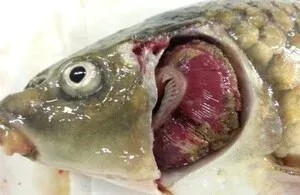
According to Cefas, Koi herpesvirus disease is a serious viral disease of fish and is classified as a listed disease in the United Kingdom.
Koi herpesvirus disease is caused by Cyprinid herpesvirus 3 (CyHV-3), a virus that primarily affects common carp and koi carp. The infection can cause serious illness and, in severe cases, significant deaths among susceptible fish populations.
Following confirmation of the outbreak, statutory controls were imposed on the affected facility to restrict the movement of aquatic animals. The measures are intended to help contain the disease and reduce the risk of transmission to other fish populations and aquatic facilities.
Koi herpesvirus can spread through contact between infected fish and susceptible fish, as well as through contaminated water, equipment and other materials. Effective biosecurity, disease monitoring and movement controls are important measures in managing outbreaks.
The UK authorities have not disclosed the number of fish affected, the number of deaths recorded or whether the disease has spread beyond the facility. Further information on the scope of the outbreak and any additional control measures will depend on official updates from the relevant authorities.
The incident underscores the importance of aquatic-animal health surveillance and biosecurity in fish-farming operations. Early detection and prompt intervention can help reduce the potential impact of infectious diseases on fish populations and the wider aquaculture sector.

ALSO READ:Naira Marley Raises Questions Over Poco Lee’s Alleged UK Arrest
Hope you find the Above publication useful, Calabargist will love to keep you updated via our newsletter by subscribing with your email.