
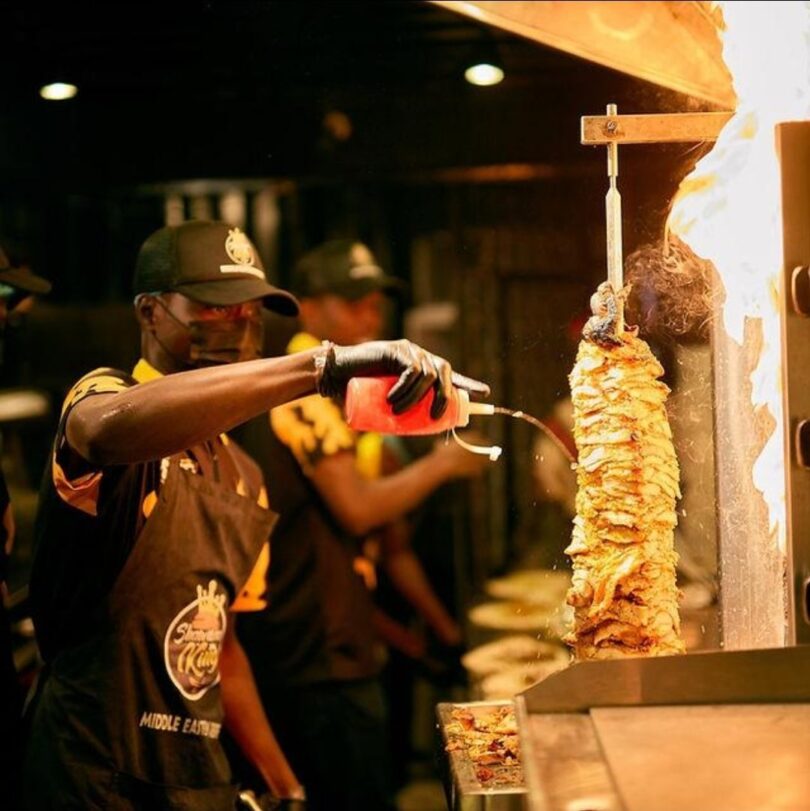

Shawarma has become one of Nigeria’s most popular quick meals, especially for people looking for a convenient late-night snack. But behind the attractive packaging and generous fillings is a food-safety question many customers may not think about: how safely were the ingredients handled before they ended up in the wrap?
Nigeria has food-safety regulations designed to protect consumers. The National Agency for Food and Drug Administration and Control (NAFDAC) requires food businesses to follow hygiene and food-safety practices, including appropriate storage and cooking temperatures and measures to prevent contamination.
The challenge, however, is how consistently such standards are followed across the many restaurants, roadside outlets and small food businesses serving shawarma.
A typical shawarma can contain chicken or beef, sausage, vegetables, bread and sauces such as mayonnaise. Because these ingredients have different storage and handling requirements, poor hygiene at any stage can potentially create a food-safety risk.
For example, meat that is not properly refrigerated, vegetables that are poorly washed or sauces kept at unsafe temperatures can create problems. However, this does not mean that shawarma sellers generally operate unsafely. Rather, customers often have limited information about how individual sellers handle their ingredients.
The World Health Organisation (WHO) recommends basic food-safety practices such as keeping food clean, separating raw and cooked foods, cooking food thoroughly and maintaining safe temperatures.
For shawarma consumers, some simple questions are therefore worth considering: When was the meat prepared? How has it been stored? Is the cooking area clean? Are vegetables properly handled? Are sauces kept under appropriate conditions?
These details are usually invisible once the ingredients are wrapped together.
A clean-looking shop, attractive packaging or a heavily filled shawarma does not automatically guarantee that the food has been handled safely.

ALSO READ:NAFDAC Moves Against Banned Sachet Alcohol in Edo
Hope you find the Above publication useful, Calabargist will love to keep you updated via our newsletter by subscribing with your email.