
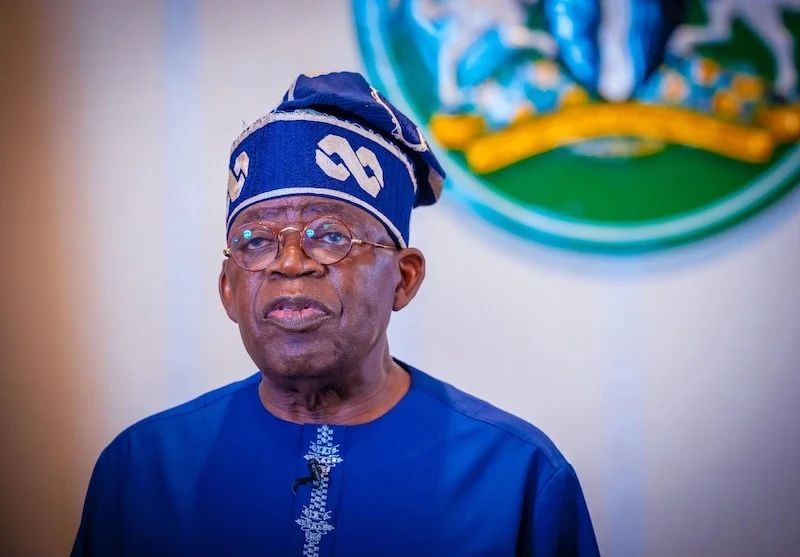

President Bola Tinubu has declared the elimination of child labour a national development priority, unveiling a new four-year action plan aimed at protecting children and tackling the factors driving them into exploitative work.
Tinubu made the declaration on Wednesday in Abuja at the National Dialogue on Advancing the Implementation of Nigeria’s National Child Labour Policy and National Action Plan (2026–2030).
The President, who was represented by the Secretary to the Government of the Federation, Senator George Akume, also launched the 2024 National Child Labour Survey Report alongside the National Policy and National Action Plan for the Elimination of Child Labour.
According to Tinubu, child labour goes beyond a labour-related concern, as it has implications for education, poverty reduction, economic growth, food security, human capital development and national security.
He said the Federal Government would intensify efforts to address the root causes of child labour while translating Nigeria’s international commitments into measurable action.
“Every nation is judged by how well it protects its children. A child who is forced into labour instead of attending school loses more than an education,” Tinubu said.
The President called on state governments, the Nigeria Governors’ Forum and the Nigeria Governors’ Spouses Forum to support child-protection initiatives and ensure the effective implementation of the new action plan.
He also urged employers to ensure their supply chains were free of child labour, while calling on workers’ organisations, development partners, traditional and religious leaders, communities, parents and guardians to support the campaign.
Tinubu further directed Ministries, Departments and Agencies, state governments, employers, civil society organisations and other stakeholders to ensure the full implementation of the 2026–2030 action plan.
The latest initiative comes against the backdrop of Nigeria’s child labour challenge. The 2022 National Child Labour Survey reported that 24.67 million children aged five to 17 were engaged in child labour, representing 39.2 per cent of children in that age group.
Nigeria’s new 2026–2030 plan is expected to provide a framework for coordinated action aimed at reducing child labour and improving children’s access to education, protection and opportunities for healthy development.
ALSO READ:Bishop Kawas: Some People Are Funding Insecurity to Discredit Tinubu
Hope you find the Above publication useful, Calabargist will love to keep you updated via our newsletter by subscribing with your email.