
Global Fund GC7 I-CLM Records Progress in Cross River State as Initiative Targets Gaps in HIV, Tuberculosis, Malaria Services and Gender-Based Violence Response
Nigeria continues to face significant public health challenges associated with tuberculosis (TB), human immunodeficiency virus (HIV) and malaria. These diseases disproportionately affect vulnerable populations, particularly people experiencing poverty, limited access to healthcare, inadequate health education and financial barriers to treatment.
In response to these challenges, community-led monitoring initiatives are helping to identify gaps in healthcare delivery, strengthen community participation and promote accountability in the health sector.
In Cross River State, the Global Fund GC7 Integrated Community-Led Monitoring (I-CLM) Project is being implemented to identify barriers to healthcare access and support improvements in services relating to HIV/AIDS, tuberculosis and malaria.
The initiative also addresses issues such as stigma, discrimination, gender-related barriers and the need for stronger community participation in public health interventions.
Understanding the Public Health Challenges in Nigeria
HIV, tuberculosis and malaria remain important public health concerns in Nigeria, with their effects often worsened by socioeconomic inequalities.
People living in poverty are particularly vulnerable because they may lack access to health facilities, reliable health information, education and the financial resources required to seek and complete treatment.
Although some services, including tuberculosis treatment, may be provided free of charge, indirect costs such as transportation, food and other expenses can prevent patients from accessing care. Some patients reportedly travel more than 30 kilometres to reach health facilities offering HIV, TB and malaria services.
These barriers can discourage timely treatment and push some individuals towards alternative approaches that may expose them to further health risks.
The situation highlights the importance of strengthening health systems while addressing the social and economic conditions that influence access to healthcare.
Effective responses require collaboration among government institutions, healthcare providers, community leaders, civil society organisations, development partners, the private sector and the media.
About the Global Fund GC7 Integrated Community-Led Monitoring Project
The Global Fund GC7 Integrated Community-Led Monitoring Project is being implemented through collaboration involving the ATM Networks and the Institute of Human Virology Nigeria (IHVN).
The participating networks are:
- Civil Society for the Eradication of Tuberculosis in Nigeria (TB Network)
- Network of People Living with HIV/AIDS in Nigeria (NEPWHAN)
- Association of Civil Society Organisations on Malaria, Immunisation and Nutrition (ACOMIN)
The initiative seeks to identify gaps in health systems and infrastructure, improve the efficiency of healthcare delivery and ensure that communities and civil society organisations contribute meaningfully to public health interventions.
Through the community-led monitoring approach, the project engages community stakeholders to identify challenges affecting access to and uptake of healthcare services, prioritise community needs and advocate for practical improvements.
These challenges may include stigma, discrimination, gender-related barriers, inadequate infrastructure and other factors that prevent people from accessing essential health services.
The approach also encourages communities to participate in identifying local priorities, advocating for domestic resource allocation and monitoring the quality of healthcare delivery.
Project Implementation Across Cross River State
According to the project information provided, the Global Fund-supported I-CLM initiative is being implemented across Nigeria’s 36 states and the Federal Capital Territory through the participating networks.
The TB Network coordinates implementation in 11 locations listed in the project information: Ekiti, Lagos, Cross River, Rivers, the Federal Capital Territory, Anambra, Plateau, Zamfara, Enugu, Ebonyi and Bayelsa.
Under the TB Network’s implementation in Cross River State, the project covers three local government areas:
- Odukpani Local Government Area
- Ikom Local Government Area
- Obudu Local Government Area
The initiative operates across 34 wards and more than 34 health facilities in the three local government areas, providing a platform for community stakeholders to identify service delivery gaps and advocate for improvements.
Through this process, communities can help draw attention to challenges affecting healthcare access and support efforts to improve service quality and accountability.
Key Achievements of the I-CLM Project in Cross River State
Since implementation began in Cross River State, the Integrated Community-Led Monitoring initiative has reported progress across several areas during Quarters One to Four, covering January to October 2026.
The project identifies the following areas of achievement:
1. Resource Mobilisation
The initiative focuses on mobilising support and resources to address gaps affecting the delivery of HIV, tuberculosis and malaria services.
Community engagement and stakeholder advocacy are important in encouraging investment in essential health services and supporting sustainable interventions.
2. Infrastructure Rehabilitation and Support
The project highlights infrastructural rehabilitation and support as key areas of intervention, with the aim of improving the environment in which healthcare services are delivered.
Adequate health facility infrastructure is essential for providing accessible, safe and effective care to patients.
3. Improved Healthcare Services
Community-led monitoring provides a mechanism for identifying challenges affecting service delivery and uptake.
By documenting community experiences and engaging relevant stakeholders, the initiative seeks to encourage improvements in the availability, accessibility and quality of HIV, TB and malaria services.
4. Health Systems Strengthening
The project promotes stronger collaboration between communities, civil society organisations, healthcare providers and government institutions.
This approach is intended to support more responsive health systems, improve accountability and encourage the resolution of challenges identified at health facilities.
5. Increased Community Participation
Community participation remains central to the I-CLM approach.
By involving residents in identifying healthcare challenges and advocating for solutions, the initiative encourages communities to take an active role in improving local health services.
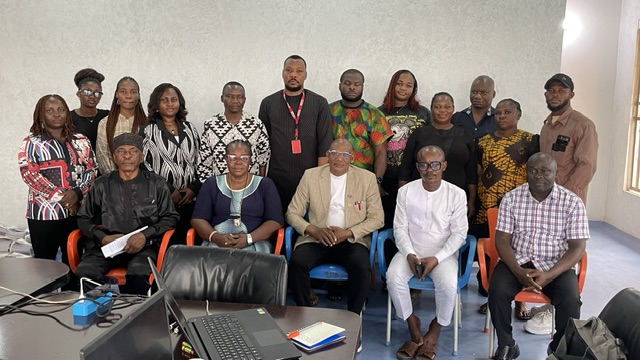
The project’s accompanying photo gallery is intended to document the specific achievements recorded during the implementation period.
Call to Action:
Addressing Barriers to TB, HIV, Malaria and Gender-Based Violence
To sustain progress in addressing HIV, tuberculosis, malaria and gender-based violence, the project calls on government institutions, development partners, the private sector, community leaders and citizens to strengthen their support for public health interventions.
Extend Health Insurance to Vulnerable Populations
The project advocates expanding national and state health insurance coverage beyond the formal sector to include vulnerable populations, especially low-income households and people who cannot afford out-of-pocket healthcare expenses.
Broader health insurance coverage could reduce financial barriers and improve access to essential medical services.
Ensure Transparent Funding for Primary Healthcare
Government authorities are urged to provide adequate funding for primary healthcare and ensure that counterpart funds allocated to HIV, tuberculosis and malaria programmes are properly managed.
Transparent resource management is essential to sustaining effective public health interventions at national, state and local levels.
Strengthen Health Education and Workforce Capacity
The project calls for increased investment in health education, qualified healthcare personnel, resident doctors and suitable health facility infrastructure.
It also encourages every ward to support health promotion and education programmes that raise awareness of disease prevention and encourage community participation.
Provide Adequate Resources for Planned Interventions
Government, development partners and the private sector are encouraged to commit sufficient resources to planned health interventions.
The project also emphasises the importance of advocacy, partnerships and community participation in designing and implementing programmes that respond to local needs.
Encourage Community Support for Primary Healthcare Centres
Community members are urged to take an active role in supporting their Primary Healthcare Centres (PHCs).
Such participation may include volunteering, supporting community health education, reporting service delivery gaps and advocating for increased funding and resources.
Community involvement can help strengthen local ownership and contribute to the sustainability of primary healthcare services.
Gender-Based Violence and Human Rights Protection
Gender-based violence remains a serious human rights and public health concern. It can take different forms, including domestic abuse, verbal and physical violence, rape, sexual assault, early and forced marriage, incest, female genital mutilation, acid attacks and killings.
Women, men, boys and girls can experience violence, abuse and violations of their rights in both public and private settings.
The Civil Society for the Eradication of Tuberculosis in Nigeria is calling on stakeholders and citizens to speak out against gender-based violence, support survivors and help prevent perpetrators from continuing their actions.
The organisation urges members of the public not to remain silent when they witness or become aware of abuse.
Its message is clear: collective action, awareness, reporting and coordinated support are necessary to address gender-based violence and protect the rights and dignity of individuals across Cross River State and Nigeria.
In Conclusion:
Strengthening Community-Led Healthcare in Nigeria
Improving Nigeria’s response to HIV, tuberculosis, malaria and gender-based violence requires sustained investment, stronger health systems, adequate financing and effective collaboration among government, civil society organisations, healthcare providers, development partners and communities.
The Global Fund GC7 Integrated Community-Led Monitoring Project offers a community-centred approach to identifying gaps, promoting accountability and advocating for improvements in healthcare delivery.
Scaling up evidence-based and cost-effective interventions, alongside community-based service delivery and people-centred care, can help address barriers that prevent vulnerable populations from accessing essential services.
Sustained political commitment, transparent resource management and active community participation will be critical to making healthcare more accessible, equitable and responsive to the needs of Nigerians.
Hope you find the Above publication useful, Calabargist will love to keep you updated via our newsletter by subscribing with your email.